
For United Cities and Local Governments (UCLG), the global municipal movement, the Global Disability Summit has been more than just a milestone; it has been a catalyst for action.
Since 2019, UCLG has been building the capacity of local and regional governments (LRGs) to implement the Convention on the Rights of Persons with Disabilities (CRPD) through a process known as localization. The commitment mechanism of the GDS gave this work a strong framework for action. It helped align existing local policies with global priorities and promoted disability inclusion in urban governance.
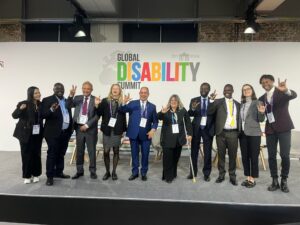
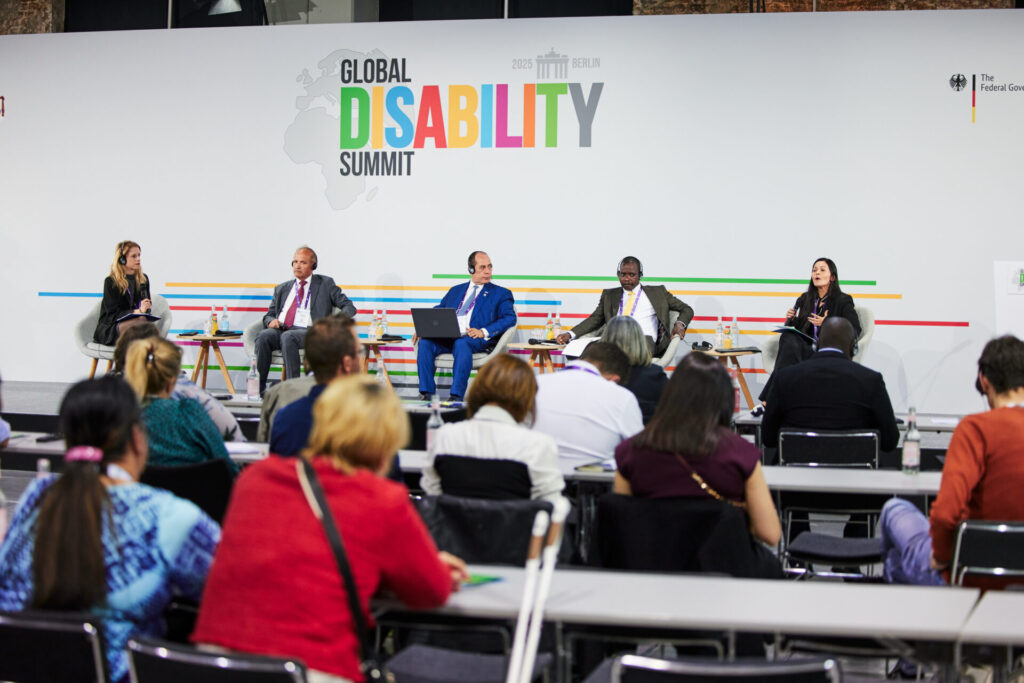
The growing presence of local governments across Summits tells its own story. At GDS 2022 in Oslo, the City of Lyon stood alone as the only municipality to make commitments. By GDS 2025 in Berlin, the picture had changed completely, with a full official delegation of local and regional governments who not only made commitments but also presented them at an official side event dedicated to CRPD localization. Over time, local governments have become frontline implementers of this global conversation.
Preparing local governments for the Summit
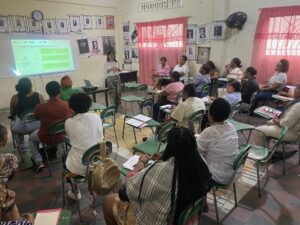
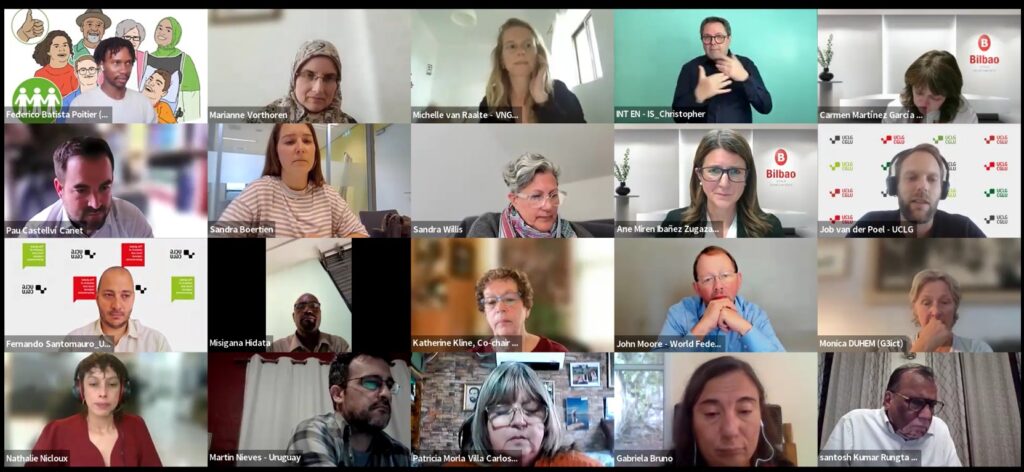
The GDS follows a cycle of preparation, commitment, and follow-through, and UCLG ensured that its engagement began during the first phases. Months before Berlin, the organization launched the Road to the GDS, a process meant to help LRGs across the globe shape their commitments. The starting point was a two-day online peer-learning event built around capacity-building activities. The event helped participants better understand the GDS, its Commitments mechanism, and how their local initiatives could be translated into global commitments.
Following the event, participating governments began designing their commitments. During the Summit, at the official LRG side event on CRPD localization, the delegation presented their commitments alongside those of peers attending online. For UCLG, the GDS was essential in moving these commitments from discussion to tangible action: it provided a clear accountability and review mechanism that helped connect local actions to global frameworks, while establishing a roadmap for follow-up and progress reporting.
Persons with disabilities as decision-makers
GDS discussions highlighted persons with disabilities not only as beneficiaries, but as elected officials and decision-makers. For UCLG, supporting the political participation of persons with disabilities—not only as beneficiaries of public goods and services, but also as political actors and decision-makers—is critical to the realization of Article 29 of the CRPD.
Through the Global Community of Practice on Inclusive and Accessible Cities and Territories, UCLG has been examining the systems and enabling conditions needed to drive this shift in a way that is not tokenistic but instead creates a pathway toward sustainable and equitable change. The organization has identified and engaged municipalities that are already advancing this agenda by promoting the direct representation of persons with disabilities as elected officials within local governance systems.
Two initiatives, one year into the commitment
Since making its institutional Commitment, UCLG has continued to expand its capacity-building programs for members. Two initiatives anchor this work:
- First, the Universal Guidelines on the Local Inclusion Agenda (ULIA). UCLG is co-designing this tool through a participatory process, with its launch planned for September 29, 2026. The ULIA is intended to provide a practical and adaptable framework for CRPD localization across diverse types of LRGs globally, while supporting more meaningful partnerships between LRGs and organizations of persons with disabilities (OPDs).
- Second, the RICH project in Kisumu, Kenya. UCLG is in the preliminary stages of this pilot initiative that aims to serve as a model for disability-inclusive local governance and strengthened OPD partnerships across the region and globally.
Tracking progress and identifying challenges
UCLG has been tracking the progress of the local and regional governments’ implementation of GDS Commitments. The first progress report points one way: up. Disability inclusion is taking root through localization across a growing number of local and regional governments. Across diverse contexts, LRGs are integrating accessibility, participation and inclusive governance into local policies, planning processes and public service delivery.
The report also highlights persistent structural challenges that continue to affect the pace and sustainability of implementation. These include gaps in disability-disaggregated data, limited technical and institutional capacity, staffing constraints and insufficient financing. These findings are a reminder that local governments cannot deliver this agenda alone; they require stronger enabling frameworks, investment and partnerships across all levels of governance. The report went on to inform and inspire the Tangier Outcome Document, which recognizes local and regional governments as essential partners in implementing the CRPD and advancing inclusive, rights-based development.
Funding the commitment
For commitments to become a reality, policy alone is not enough. Inclusive local governance requires dedicated capacity, financial resources, and inclusive budgeting systems. Within its own Commitment, UCLG found a way to hold itself accountable. It tracks how accessibility shows up in its annual budget, works to keep that allocation above 2%, and reports progress toward the target.
Inclusive budgeting matters not only for transparency, but for making accessibility a strategic pillar of sustainable urban development. With resources, disability inclusion stops being an aspiration and becomes part of planning and service delivery.
The GDS cycle effect
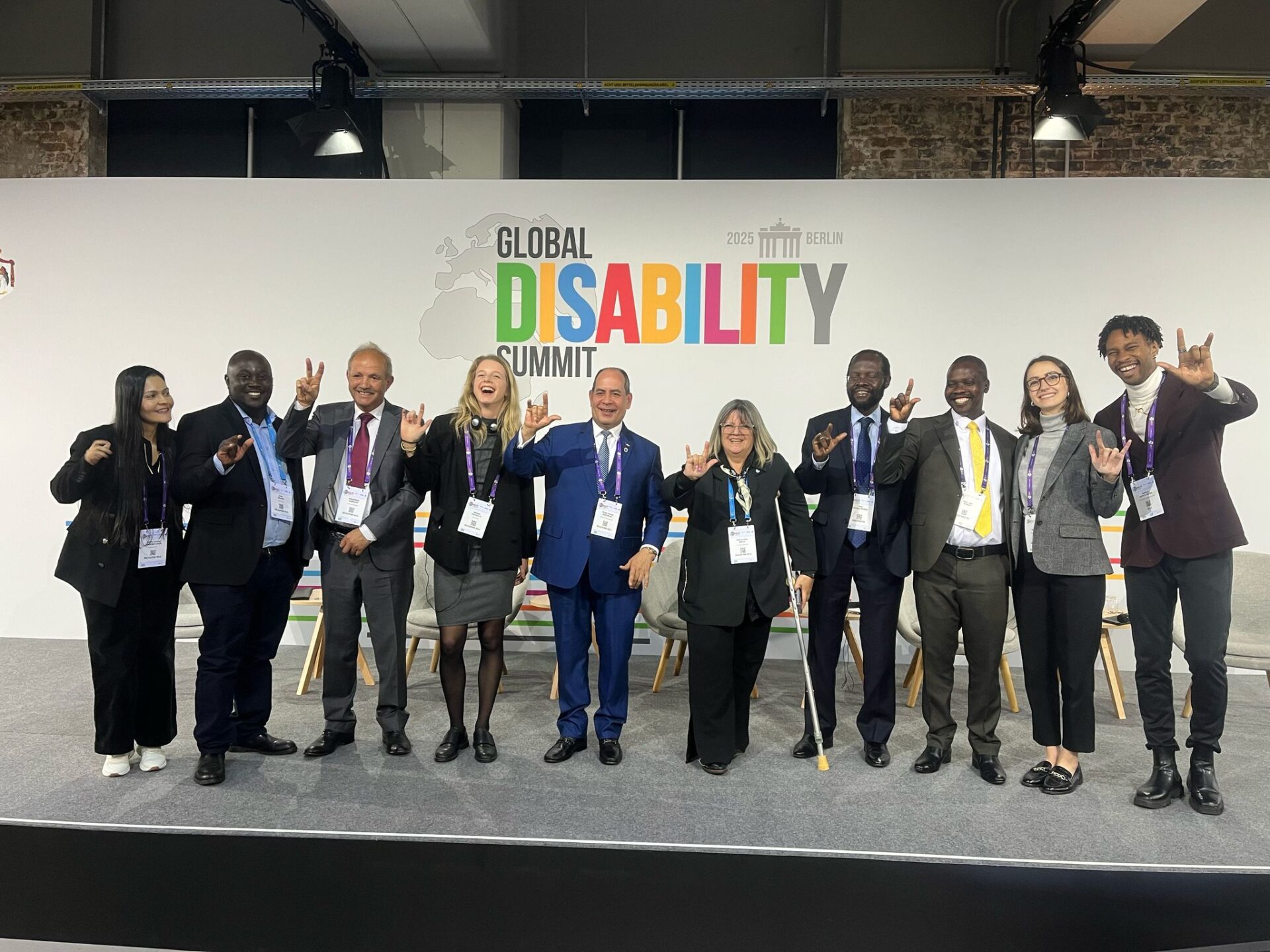
UCLG’s experience shows the GDS for what it really is: a cycle, not an event. Partnerships form on the way in, commitments take shape in the room, and the real progress arrives in the years that follow. Ahead of the Summit, UCLG worked closely with a wide range of partners, including BMZ, the UN Global Disability Fund, UN-Habitat, the Global Disability Innovation Hub, and the International Disability Alliance (IDA). UCLG shared that many of these connections have continued beyond the GDS and evolved into tangible collaborative initiatives, including the ULIA, the Kisumu County for All RICH program, and the Engage for Inclusion: Building Resilient and Accessible Cities webinar series. The partnerships have also extended beyond the Summit, into collaboration around key policy milestones throughout 2026, including the 13th session of the World Urban Forum, the 19th session of the Conference of States Parties to the CRPD, and the UCLG World Congress.
The road to GDS 2028
The findings of the Progress Report provide a clear roadmap for the journey toward the 4th Global Disability Summit in 2028. It points toward measuring impact, scaling successful local practices, strengthening partnerships with OPDs, and equipping local and regional governments with the tools, resources and recognition they need to deliver inclusive and accessible spaces.
For Ms. Emilia Saiz, Secretary General of UCLG, the journey comes down to one reflection: “The Global Disability Summit has helped transform disability inclusion from a social policy priority into a cornerstone of democratic local governance, strengthening our Local Social Covenant by recognizing care, accessibility and participation as essential to implementing human rights, and affirming local and regional governments as indispensable partners in bringing global commitments closer to people’s everyday lives.”